

The Collapse of Centralized Design Authority
Traditional top-down design leadership operates on a premise that made sense in slower product cycles—one brain, one vision, one approval chain. The Head of Design reviews every component variant. The Director signs off on every user flow. The Manager arbitrates every micro-interaction dispute. In theory, this guarantees brand coherence and strategic alignment. In practice, it creates a system that fails catastrophically under load.
The failure mode is predictable. When every design decision routes through a single human bottleneck, the entire production pipeline inherits that person’s bandwidth constraints. Designers sit blocked in Jira limbo, waiting three days for feedback on a button state. Engineers start guessing at interaction patterns because the review queue is fourteen tickets deep. Context evaporates during handoffs because the person who understood the original intent is now buried in a different squad’s problems entirely.
The Cognitive Overload Cascade
What makes this architecture particularly brittle is its scaling characteristics. Adding designers to a top-down org doesn’t compound organizational intelligence—it compounds review burden. A design leader managing four designers might sustain the approval queue. That same leader managing twelve designers across four squads becomes the rate-limiting factor for the entire product organization. The math is unforgiving.
Meanwhile, the human cost compounds silently. Designers operating under perpetual approval dependency develop learned helplessness. They stop exercising judgment because judgment gets overridden anyway. They stop proposing bold solutions because bold solutions require more review cycles. The org selects for compliance over creativity, and the best designers—the ones with strong opinions and high agency—leave for environments that trust them.
Swarm Intelligence as Organizational Architecture
The fix isn’t flattening hierarchy entirely. Pure democracy in design produces its own disasters—consensus paralysis, aesthetic drift, nobody owning anything. The fix is borrowing from biological systems that solve coordination problems at scale without centralized control.
Starling murmurations move as unified masses of thousands of birds executing complex aerial maneuvers without a lead bird calling shots. Each starling responds only to the seven nearest neighbors, making micro-adjustments based on local proximity and velocity. The global coherence emerges from local rules applied consistently. No bird waits for approval. No bird checks with the flock manager.
The Four Mechanical Principles
Migrating geese offer a complementary model. They maintain directional alignment without rigid instruction—every goose knows the destination, none requires turn-by-turn navigation. Leadership rotates dynamically based on fatigue and drafting efficiency. Communication happens continuously through low-latency honking that propagates state changes across the formation. And critically, the flock rests together to recover capacity before continuing.
Translating this to design organizations produces four structural mechanics. First, shared directional alignment replaces rigid instruction—teams internalize the destination deeply enough that they can navigate without constant course correction from above. Second, tactical leadership rotates based on domain expertise rather than org chart position. A researcher leads during discovery. An interaction designer leads during prototyping. A systems designer leads during component architecture scaling. Third, communication channels stay synchronous and low-latency rather than queueing through asynchronous review tickets. Fourth, the system schedules explicit rest periods to address accumulated debt before it compounds into crisis.
Failure States and Edge-Case Management
Decentralization introduces its own failure modes. Pretending otherwise is architectural malpractice. The question isn’t whether Structured Emergence has tradeoffs—it absolutely does—but whether those tradeoffs are preferable to the tradeoffs of centralized control.
Local Optimization Drift
The most dangerous failure state is local optimization drift. Squad A optimizes their checkout flow for speed using a streamlined single-page paradigm. Squad B optimizes their checkout flow for flexibility using a multi-step wizard pattern. Both decisions are locally rational. Globally, users navigating between product categories encounter two completely different mental models for the same task. The platform feels like three startups duct-taped together rather than a coherent product.
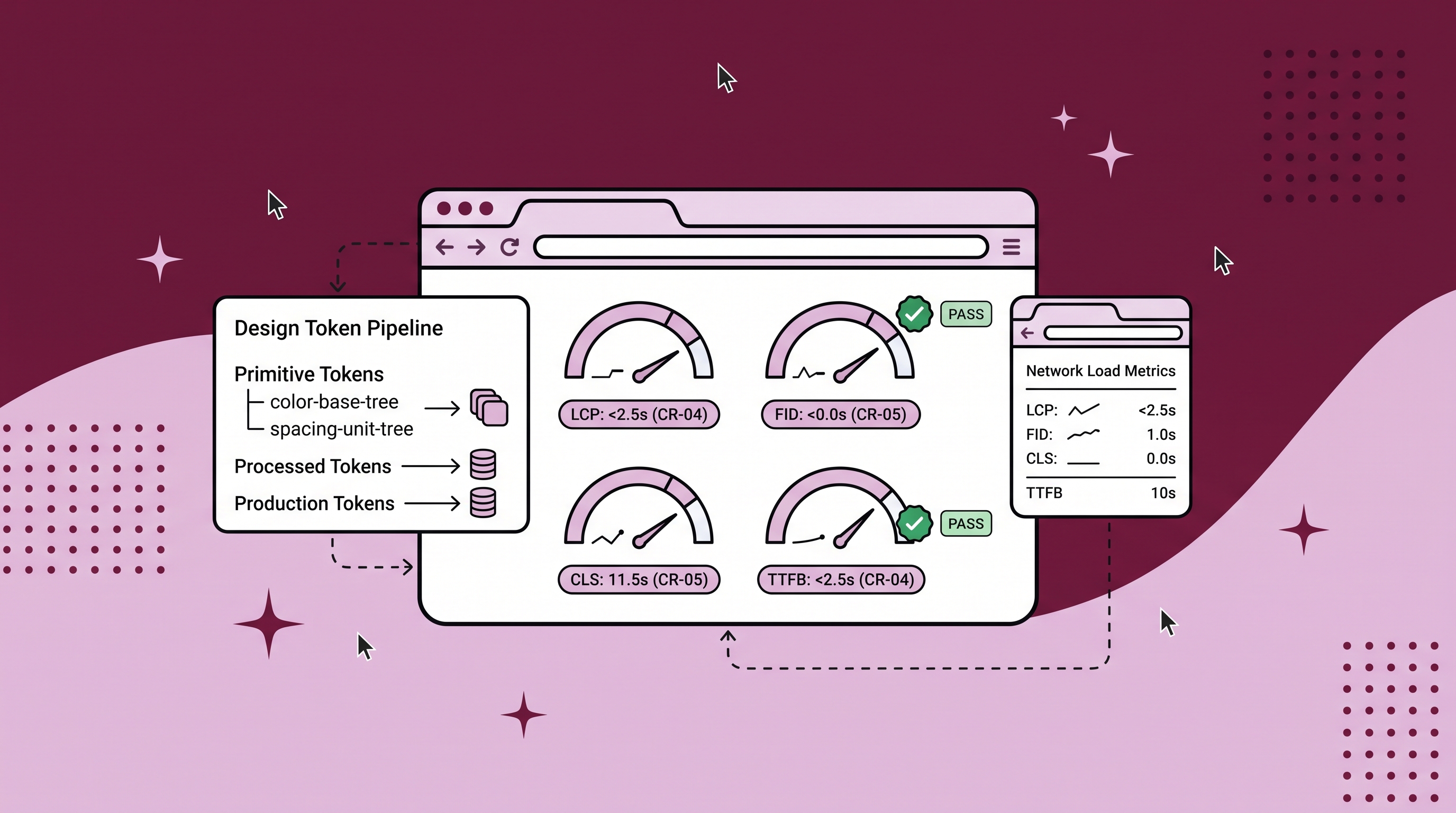
This failure mode doesn’t require malice or incompetence. It emerges naturally when local nodes optimize against local metrics without visibility into adjacent node decisions. The fix isn’t reinstating approval queues—it’s investing heavily in shared primitives. Design token pipelines that enforce consistency at the atomic level. Component libraries with strict API contracts. Explicit interaction pattern documentation that makes the “wrong” local choice obviously wrong before it ships.
Consensus Paralysis and Authority Vacuums
The second failure state occurs when teams misinterpret decentralization as absolute democracy. Every voice must be heard. Every concern must be addressed. Every stakeholder must approve. Decision velocity drops to zero because consensus is impossible and nobody has explicit authority to break ties.
Structured Emergence is not leaderless—it’s leader-rotated. At any given moment, someone owns the decision. That ownership transfers based on phase and expertise, but it always exists. The antidote to consensus paralysis is explicit decision rights documentation. Who calls the shot on typography? The systems designer. Who calls the shot on user research methodology? The researcher. Who calls the shot on animation timing? The motion specialist. Clarity eliminates the vacuum.
Operationalizing the Model
Successful implementation requires deliberate architectural work across team topology, tooling infrastructure, and operational cadence. You cannot simply announce decentralization and expect coherence to emerge. The guardrails must exist before the autonomy.
Immutable Boundaries and Local Autonomy
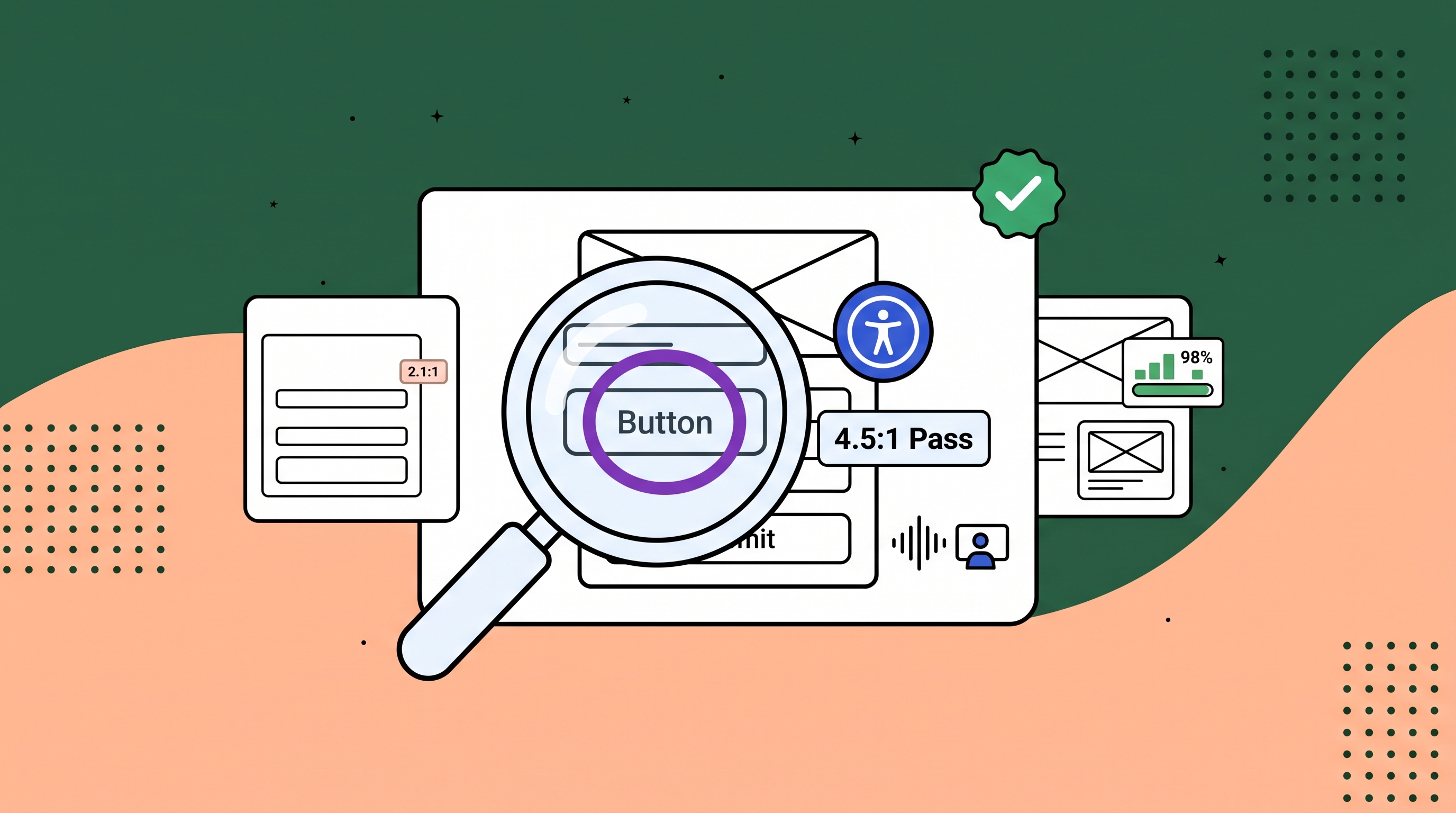
Start by defining the non-negotiable constraints. Accessibility standards are immutable—WCAG AA compliance is not subject to local squad interpretation. Core brand tokens are immutable—the primary color palette doesn’t drift based on feature team preference. Foundational interaction patterns are immutable—the navigation paradigm doesn’t fragment across product areas.
Everything else becomes local domain. Within those boundaries, squads have absolute autonomy. They don’t ask permission. They don’t wait for review. They ship, they measure, they iterate. The boundaries are tight enough to guarantee coherence but loose enough to enable speed.
Communication Infrastructure
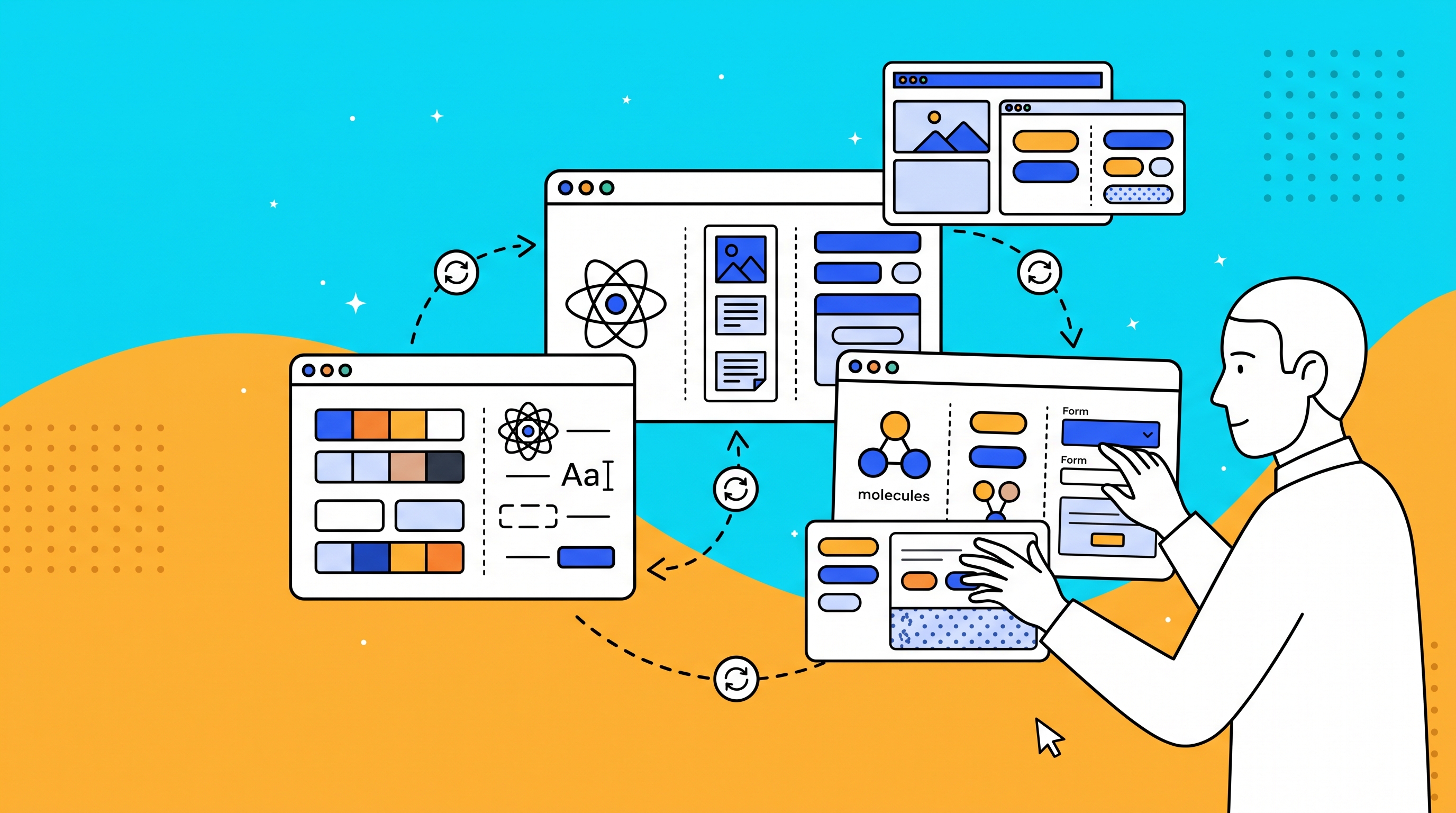
Replace asynchronous review queues with synchronous collaboration models. Open-channel design critiques where work-in-progress is visible to adjacent nodes in real time. Pair-designing sessions that embed feedback into the creation process rather than appending it afterward. Design-engineering syncs that happen daily rather than at handoff. The goal is eliminating the latency between decision and feedback—collapsing the loop until course correction becomes continuous rather than periodic.
Scheduled System Recovery
The flock rest principle matters more than most teams realize. Without explicit pauses, design debt accumulates invisibly. Orphaned components proliferate. Documentation rots. Token overrides multiply. The system degrades gradually until a crisis forces emergency refactoring under deadline pressure.
Schedule mandatory system-wide pauses at the end of every quarter. Dedicate entire sprints to auditing accumulated debt. Deprecate orphaned components. Update stale documentation. Refactor the design system. This isn’t optional maintenance—it’s load-bearing infrastructure work that preserves the system’s capacity to sustain decentralized velocity.
The traditional design manager role transforms entirely under this model. The job is no longer reviewing deliverables and approving decisions. The job is ecosystem architecture—maintaining boundary conditions, clearing operational blockers, protecting team capacity from organizational interference, and ensuring the guardrails stay calibrated as the product evolves. Less general commanding troops. More gardener tending conditions for growth.